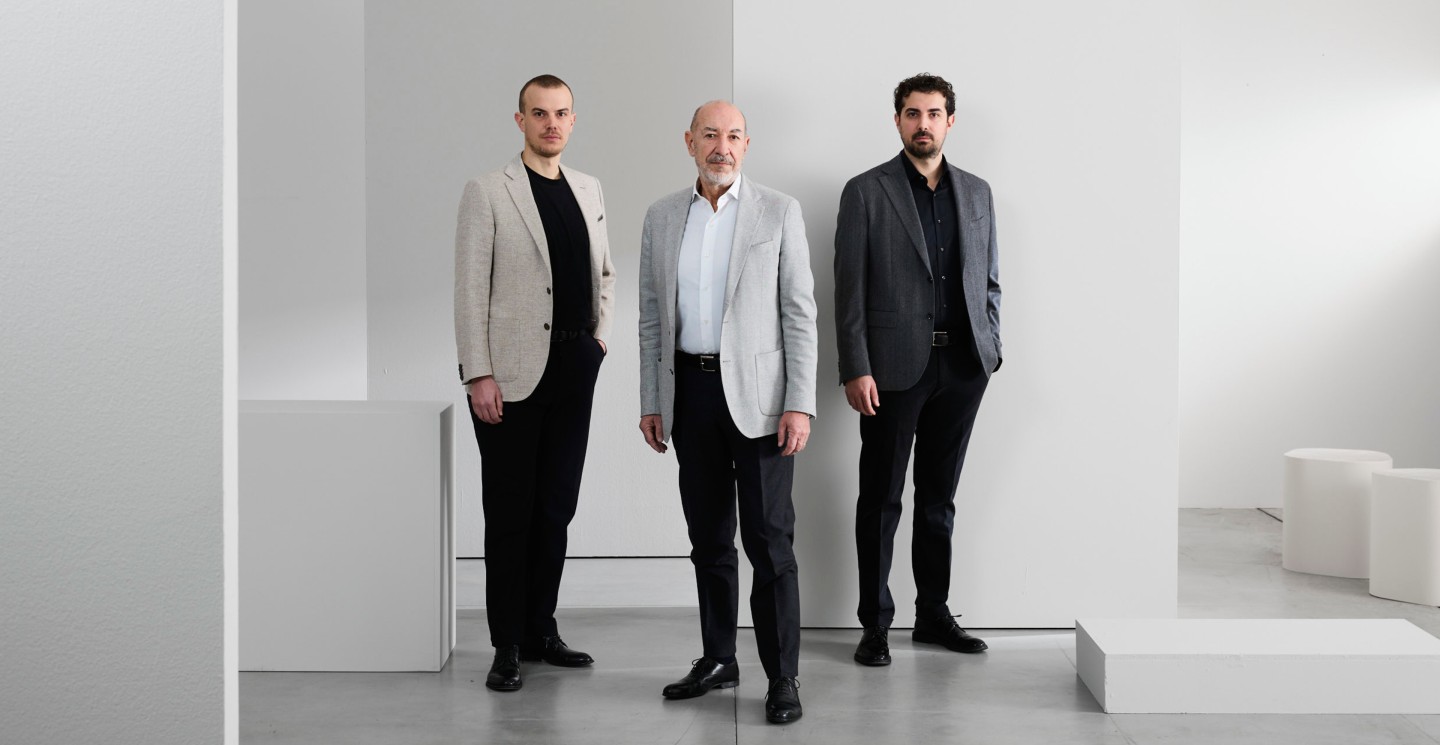
The group

Interviews

Agostino Bizzotto

Interview with Agostino Bizzotto
Chief Executive Officer

1. Eighty years is a significant milestone. What is the most valuable legacy the company has carried forward since 1946?

Our reputation as a trusted business partner, built and preserved on principles that have remained unchanged over time: responsibility, honesty and respect for our commitments.

2. Was there a moment or strategic decision that you consider decisive in the company’s evolution?

Rather than a single moment, there were several closely connected decisions. In the early 1980s, we chose to source exclusively from international markets while progressively expanding our sales network into increasingly broader territories. At the same time, we invested significantly in information technology from the outset, recognising it early on as a key driver of efficiency and coordination across all company functions.

3. How has Bizzotto’s DNA evolved across different generations of leadership?

I believe it has not changed; instead, it has been passed on from one generation to the next, much like a relay baton.

4. Which of the founder’s values still underpin the way you do business today?

Commitment, passion, honesty and respect.

5. How has the company’s relationship with design evolved from its early products to today’s collections?

In the past, our assortment development was driven by the search for novelty, functionality and quality, guided by a distinctive taste and close attention to stylistic trends. In more recent years, design and the use of innovative materials have become indispensable elements in product development, positively influencing every technical and aesthetic detail in the furnishings sector, and we have evolved accordingly.

6. What is your approach to environmental sustainability and which projects do you consider most significant?

We were born in a world of natural, fully recyclable materials such as wicker, straw, bamboo and wood. In many respects, we were early adopters of an approach that has since become central to the industry’s understanding of sustainability. Today, the majority of our products incorporate recyclable materials and are manufactured in compliance with complex and stringent regulations aimed at protecting both the environment and consumers. We have also invested in renewable energy, installing photovoltaic systems across all our facilities, enabling us to achieve near independence from fossil fuel energy sources.

7. How is your supply chain evolving in terms of transparency, materials, certifications and processes?

Our products have always included transparent information regarding their origin and materials, particularly when relevant to safety and intended use. Compliance with European directives and regulations, as well as Italian legislation, is consistently ensured and clearly stated on product labels. This is the result of continuous updates carried out in synergy with leading institutions and experts, together with the ongoing alignment of internal processes to monitor and guarantee full compliance with all requirements.

8. Sustainability is also cultural and social. How do you interpret this aspect in your business approach?

For me, sustainability means creating long-term value through respect for people and relationships. It translates into attention to equal opportunities, inclusion and the protection of rights, both within the company and in our relationships with suppliers. A company is truly sustainable when it grows alongside the people and partners it works with, on foundations of trust and shared responsibility.

9. How has the home furnishings market changed in recent decades and what are the most relevant challenges today?

The rapid transformation of distribution channels, from the development of retail chains and franchising to the growth of e-commerce, has profoundly impacted traditional trade. Yet consumers continue to value service, direct purchasing experiences, professional advice and relationships built on trust. When supported by a modern and efficient supply chain, traditional retail can therefore maintain a meaningful role and market share.

10. What role do retailers and commercial partners play in Bizzotto’s success?

Retailers have always represented, and will continue to represent, a bridge between us and end customers. The qualified contribution they can offer in creating a positive and satisfying purchasing experience remains a key added value, particularly in the furnishings sector.

11. Are there international markets or product segments in which you plan to invest more heavily?

Our offering is broad and articulated across different brands and positioning levels. Functional and stylistic diversity has always been part of our DNA and will remain so, enabling customers to express their individuality. Our objective is to strengthen this approach further, dedicating additional resources and continuing to develop international markets with conviction.

12. Which entrepreneurial challenge has shaped you the most?

The ongoing challenge of operating within an economic and environmental context characterized by ever- accelerating change.

13. What advice would you give to a young entrepreneur wishing to enter the home furnishings sector?

To imagine an original proposal capable of finding its own space in terms of style and customer expectations within a mature market marked by significant barriers to entry.

14. If you had to describe the essence of your company in one sentence, what would it be?

A team that embraces change and works together to turn new expectations into concrete solutions.
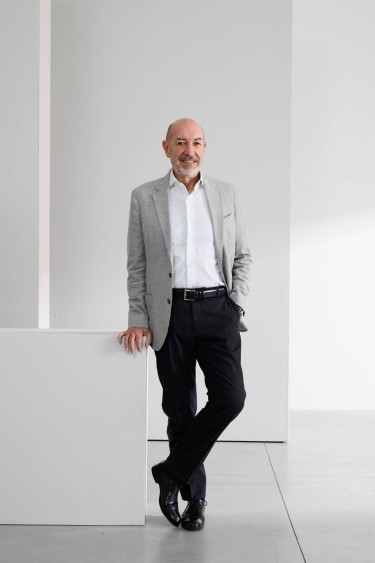
Agostino Bizzotto - Amministratore Delegato Andrea Bizzotto S.p.A.

Andrea Bizzotto

Intervista ad Andrea Bizzotto
Head of Product Development

1. As a member of the founding family, how do you balance the company’s historical DNA with the need to innovate the product offering for new markets and lifestyles?

From the outset, our company has distinguished itself in a competitive landscape through continuous research and experimentation. One of the most meaningful forms of recognition we receive from the market is our ability to evolve alongside changing styles while remaining clearly identifiable. Curiosity is embedded in our DNA. It drives us to look ahead and continually refine our offering as tastes evolve.

2. In your view, what will be the key pillars of the company’s product strategy over the next three to five years for indoor and outdoor furnishings? Are there specific categories or concepts you intend to prioritize?

Strategically, expanding our contract and professional product lines remains a primary priority across both indoor and outdoor collections. At the same time, accessories and décor remain an integral part of our identity. Our objective is to build, for each brand, a coherent and cross-category offering that feels consistent and inspiring, whether experienced in the showroom or within the homes of our customers.

3. How would you describe the company’s identity today, and which elements are non-negotiable in its positioning, even in a constantly evolving market?

As a group, we operate across multiple categories and brands, each defined by its own positioning and value proposition. For YES, the non-negotiable element is outstanding value for money. For Bizzotto, it is the emotional dimension and the sense of fulfillment our products are meant to convey. Ultimately, our collections must evoke a genuine sense of home and create spaces in which people feel truly at ease.

4. How do sustainability, material quality and social responsibility influence your product decisions, and how do you translate these into clear value for the end customer?

For us, sustainability begins with durability and with high-quality materials selected at source through carefully monitored supply chains, whether in wood, metal or textiles. This results in real value for customers, who are increasingly informed and expect sustainability to be concrete, not just declared. In terms of social responsibility, working with numerous international partners means ensuring that all suppliers meet high labor standards. We ensure this through regular visits and direct audits at the production facilities with which we work.

5. How is the role of the Brand Manager evolving, and which skills are essential today to lead a furniture brand in an increasingly competitive and international market?

One of the most evident trends is the growing interplay between industries, from fashion to hospitality and food. Furnishings are ultimately a means; the true goal is to create welcoming environments and positive experiences. Today, a Brand Manager needs to stay curious, look beyond the furniture industry and understand the brand as part of a wider cultural context rather than something that exists on its own. Equally important is the ability to synthesize these influences into a clear, coherent and distinctive value proposition.

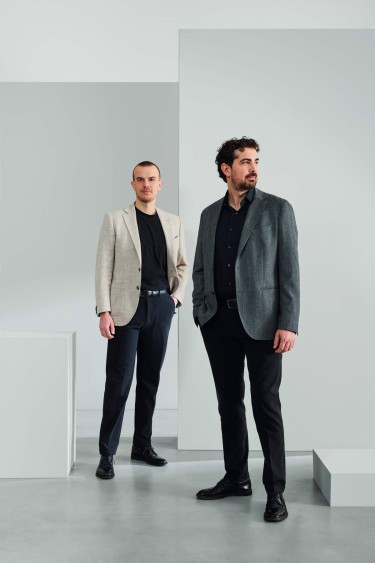
Andrea e Alessandro Bizzotto

Alessandro Bizzotto

Interview with Alessandro Bizzotto
Business Development Manager

1. How do you interpret the continuity of the company’s historical values within a commercial strategy that must now engage with increasingly complex and international markets?

I believe our historical values are more relevant than ever and are consistently reflected in the way we engage with the market. In addition to our commitment to accessible design and openness to global markets, I would emphasize continuous research. This does not only concern product development, but also the adoption of updated tools, more efficient sales processes and solutions designed to enhance our partners’ performance. For me, this ongoing pursuit of improvement is a fundamental component of our value proposition.

2. What are the strategic priorities for commercial development, both in Italy and abroad? Are there specific geographic areas or channels you intend to prioritize?

Across all product divisions, our strategic priorities are essentially twofold: strengthening brand recognition and structuring distribution coherently across territories. We are progressively moving from a traditional supplier- customer relationship towards genuine partnerships with our retail partners.

3. What are the main revenue and margin objectives for the next three to five years, and which commercial levers will be decisive in achieving them?

Over the coming years, our objective is steady and substantial growth across all product divisions. Elements such as a comprehensive and up-to-date assortment, competitive commercial terms and a high level of service are now baseline expectations rather than differentiating levers. I believe what really makes the difference is clarity and the consistency to act accordingly: clarity about where we want to go together with our retail partners, ensuring our actions consistently reflect our stated direction.

4. Which investments do you consider priorities for strengthening the commercial function, and what return do you expect from them?

The commercial function connects the company to the market, driven first by people and relationships and strengthened by the right tools. For this reason, investing in people is essential, from recruitment to ongoing, broad- based training. At the same time, we prioritize digital tools and systems that streamline processes, enhance the quality of information and simplify operations for our partners in the field.

5. From a managerial perspective, how do you intend to develop the commercial team in Italy and abroad, and what personal approach do you wish to bring to the way you work and build long-term relationships?

Given the diversity of our product categories, we have reorganized our commercial teams over the past two years by product division, both in Italy and internationally. This structure allows for greater specialization and sharper focus in daily activities. On a personal level, I place strong emphasis on transparency in relationships. As we move beyond the traditional supplier-customer model towards true partnership, sincerity and clarity become the essential foundations of strong and lasting collaborations.